A journey combining millennia of history and breathtaking natural scenery, discovering an authentic and surprising country.
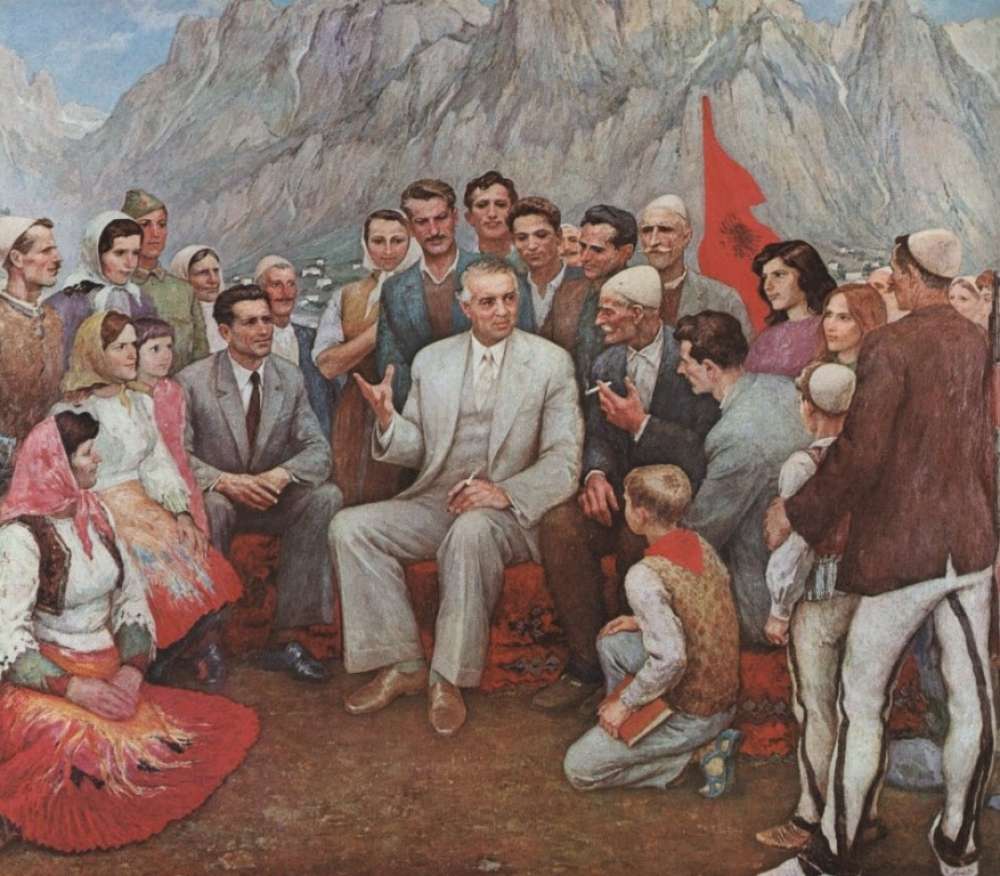
The tour begins in Tirana, the vibrant and colorful capital, where modernity and tradition meet. We continue to Kruja, the symbolic city of the national hero Skanderbeg, with its imposing castle and characteristic Ottoman bazaar.
We will visit Gjirokastër, the “city of stone,” a UNESCO World Heritage Site, with its Ottoman houses, evocative castle, and cobbled alleys that tell the story of centuries of history. In Adrianople, an ancient city founded by the Greeks, we will discover archaeological remains that testify to the grandeur of the past.
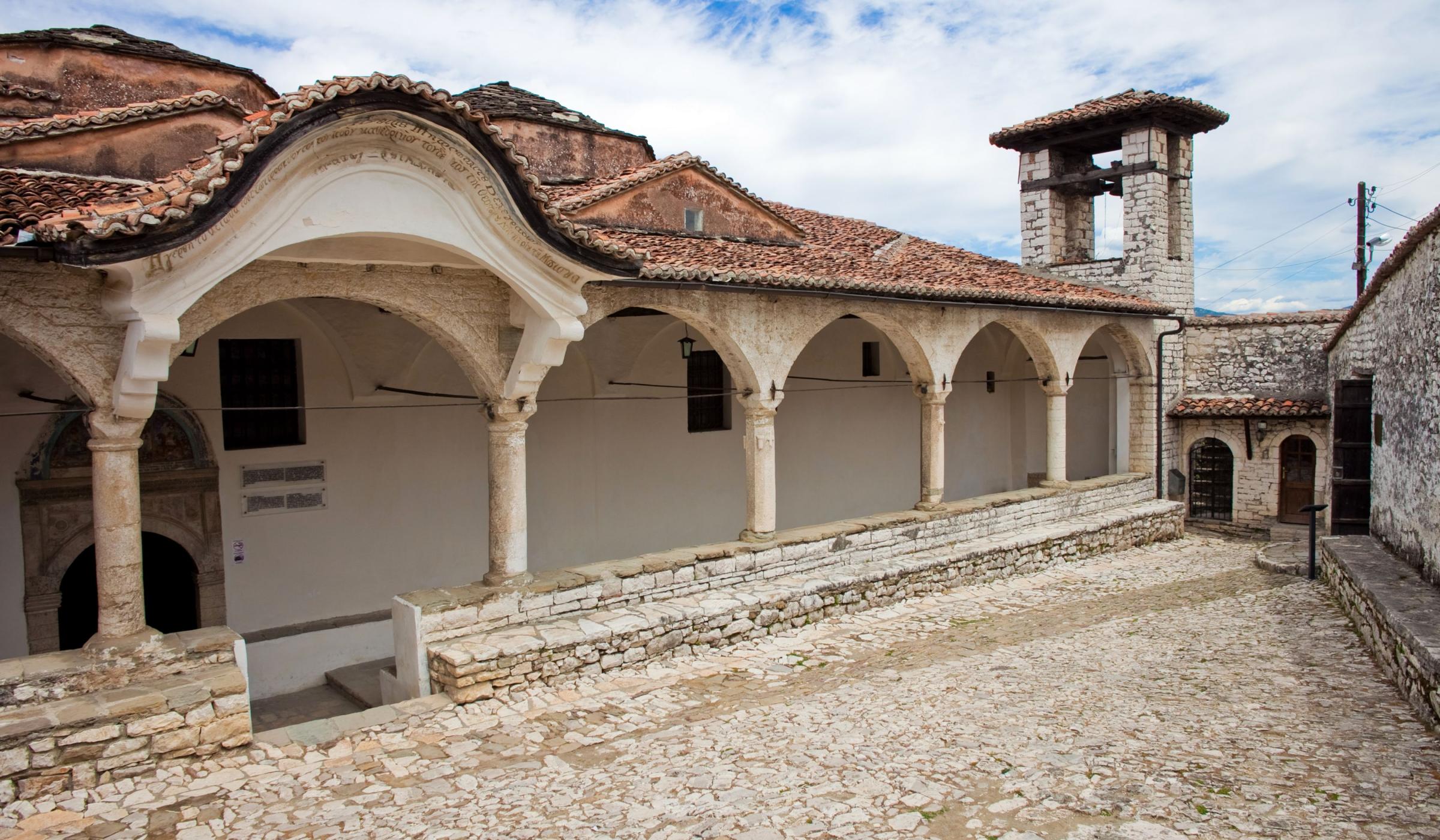
The itinerary will then take us to Durrës, one of the country’s oldest cities, overlooking the Adriatic, with its Roman amphitheater and lively waterfront. We’ll continue to Berat, the “city of a thousand windows,” a UNESCO World Heritage Site, famous for its typical white houses nestled on the hillside and the castle that dominates from above.
Finally, the journey will culminate with a visit to Butrint, also a UNESCO World Heritage Site, a unique archaeological site containing traces of Greek, Roman, Byzantine, and Venetian civilizations, immersed in pristine nature.
✨ An ideal itinerary for those who love history, culture, and evocative views, discovering the most authentic and fascinating Albania.
Arrival at Tirana airport. Meet your guide/escort and transfer to Shkodër. Check-in at the hotel. Dinner and overnight stay.
Breakfast at the hotel. Visit the city of Shkodër, inhabited since the Bronze Age and founded around the 4th century BC, the center of the Illyrian tribe of the Labeates. In the 3rd century BC, it became the capital of the Illyrian Kingdom until 221 BC. Visit Rozafa Castle, rebuilt in the 14th century during Venetian rule on ancient Illyrian foundations. Afterwards, stroll through the historic center, characterized by its blend of Italian and Austrian architectural styles. On the way to Kruja, stop in Lezhë to visit the Skanderbeg Mausoleum. Continue to Kruja, a city that symbolizes the Albanian resistance against the Turks, led by Scanderbeg, known as the “Protector of Christianity” for holding off the Turkish invasion of Western Europe for 25 years. Visit the Ethnographic Museum and stroll through the characteristic old bazaar. Arrival in Tirana. Dinner and overnight at the hotel.
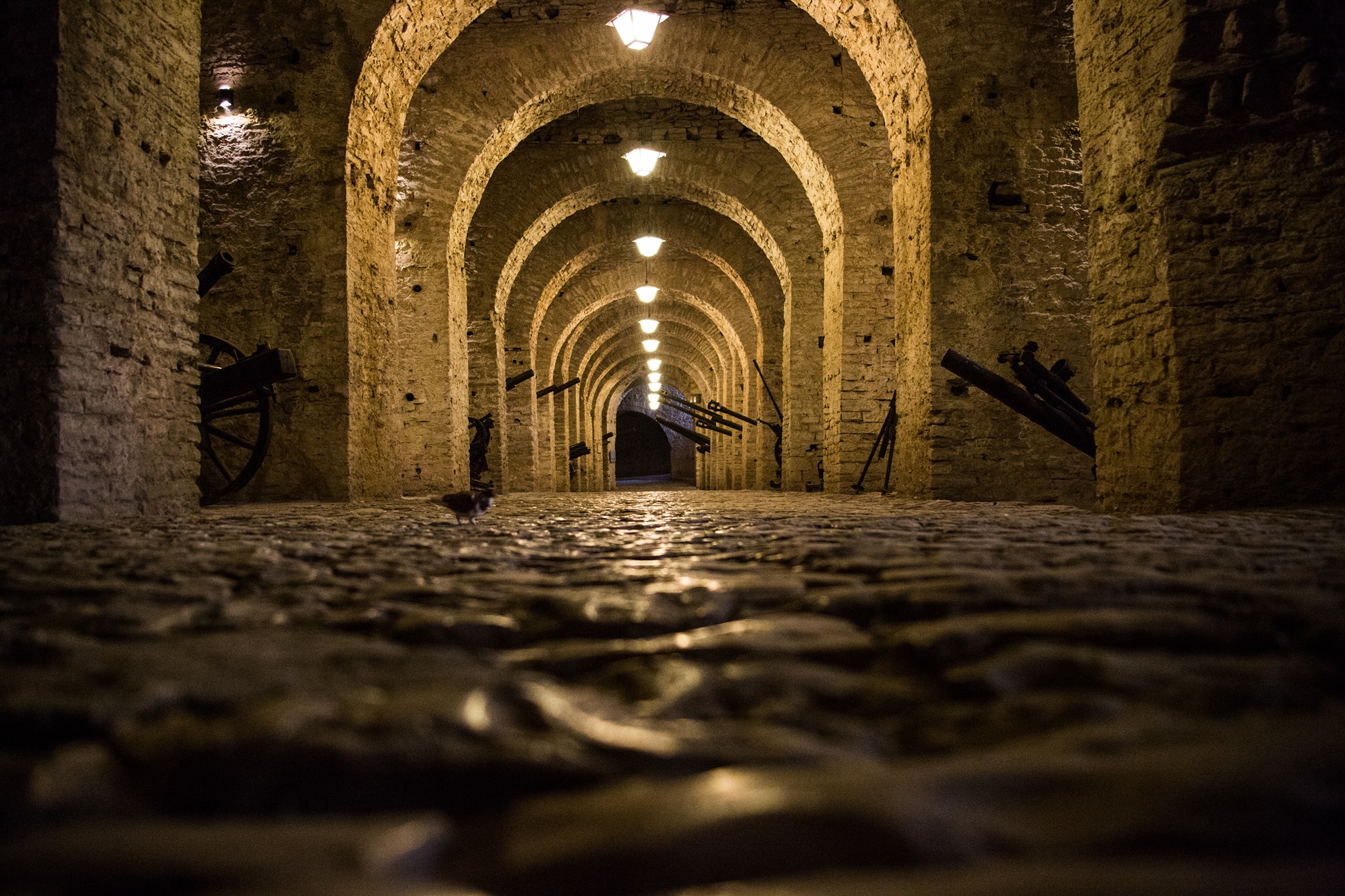
Breakfast at the hotel. Departure for Byllis, a city that surrendered to Julius Caesar’s forces in 49-48 BC, becoming a strategic base for his army. By 270 BC, Byllis was the center of the koinon, an important political organization of the time. It later became a Roman colony and, in the early years of the Principate of Augustus, took the name Colonia Iulia Augusta. Numerous early Christian basilicas were built in Byllis, adorned with highly valuable mosaics, some of which are still visible today. Continue to Gjirokastër, a museum-city built entirely of stone and a UNESCO World Heritage Site. Visit the Ethnographic Museum, housed in the former residence of dictator Enver Hoxha. Dinner and overnight stay at a hotel in Gjirokastër.
Departure for the coastal city of Saranda. Just a few minutes from Gjirokastër, we can visit the ruins of ancient Adrianople. The city was built during the Roman period (known as Pax Romana) and was named after Emperor Hadrian. After the visit, we will proceed to the ancient city of Butrint, a UNESCO World Heritage Site. It is considered the most important archaeological site in Albania and perhaps the Balkans. Historically, the city was first occupied by Greek colonists from the 8th century BC. and then by the Romans. The main monuments of Butrint: the 4th-century BC Greek theater with its “cavea” (staircases) and the Roman “scaenae frons” with a capacity of 1,500 spectators, the Greek sanctuary of Asclepius, the Roman courtyard houses, the ruins of Triconch, the Byzantine baptistery, the well-preserved 6th-century basilica, the ruins of a nymphaeum and its imposing walls. Return to Saranda for dinner and overnight.
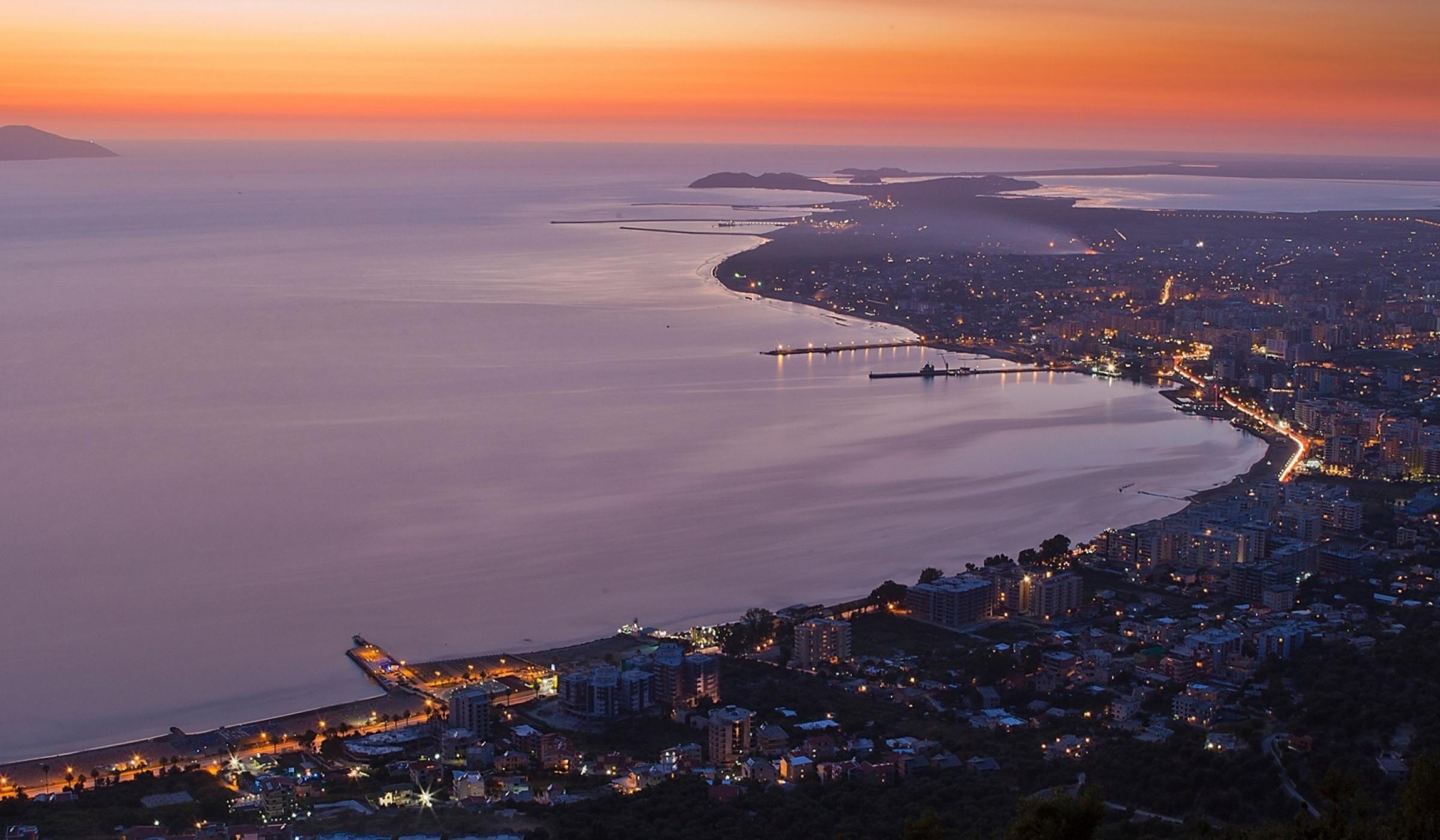
After breakfast, depart for Vlora following the Ionian Riviera. Visit the Ali Pasha Fortress in Porto Palermo. Breathtaking scenery awaits you at Llogara National Park. After lunch, we continue to the ancient city of Amantia, founded in the 5th century BC. It had its own acropolis and a Doric-style temple dedicated to Aphrodite, built in the 3rd century BC. After the visit, we will continue to Vlora. Visit the city and the Independence Museum, the seat of the first government after independence from the Turks in 1912. Dinner and overnight stay.
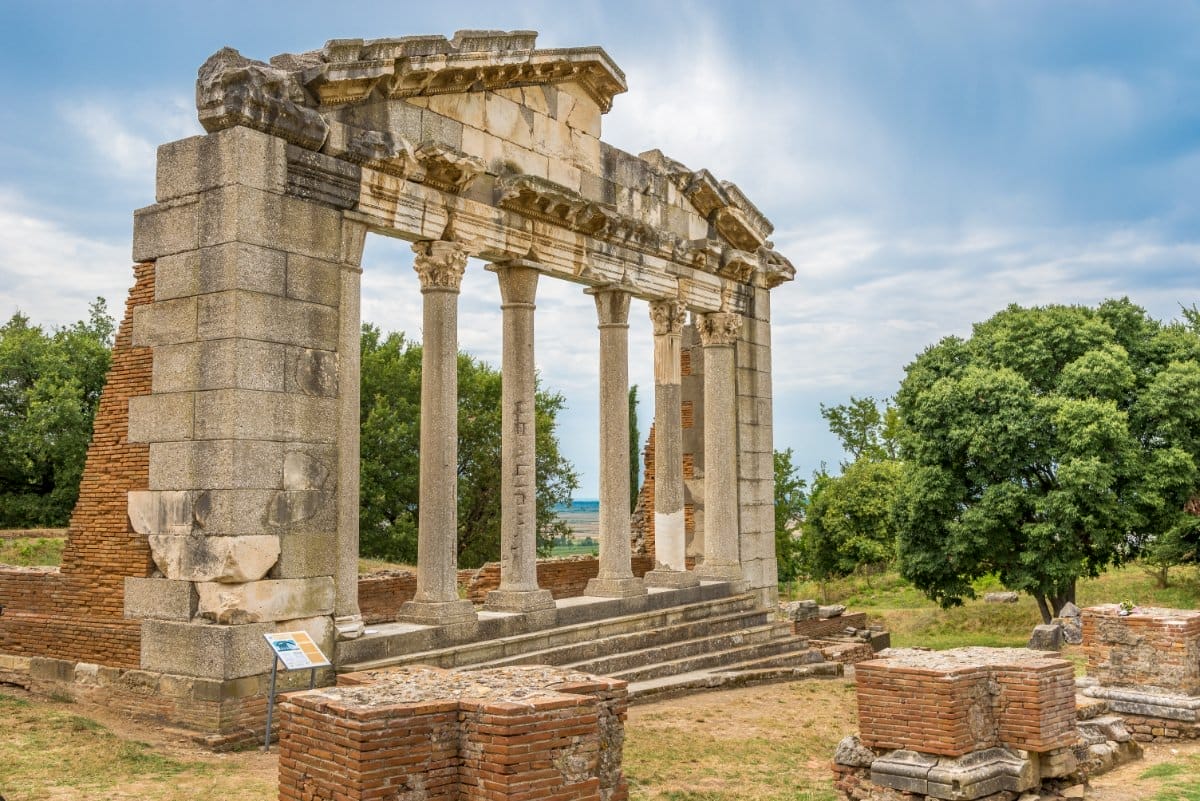
Breakfast at the hotel. Departure for the ancient city of Apollonia, located along the famous Via Egnatia and considered one of the most important cities of Ancient Rome. The orator Cicero, fascinated by its beauty, described it in his Philippics as “magna urbs et gravis,” meaning “a large and important city.” Founded in the 7th century BC by Greek colonists from Corinth and Corcyra, Apollonia reached its peak between the 4th and 3rd centuries BC. Julius Caesar sent his nephew Augustus here.
Breakfast at the hotel. Transfer to Tirana airport for your return flight.